
Behind the Creation of a Digital Product: Where Ideas Become Experiences
Every digital product starts with something small: an idea, a feature, a concept, or simply a feeling that its creator wants people to experience.
Turning that idea into a finished product, however, requires much more than programming. Digital product creation brings together design, technology, storytelling, sound, user experience, and creative thinking to create one complete interactive experience.
From Concept to Functional Experience
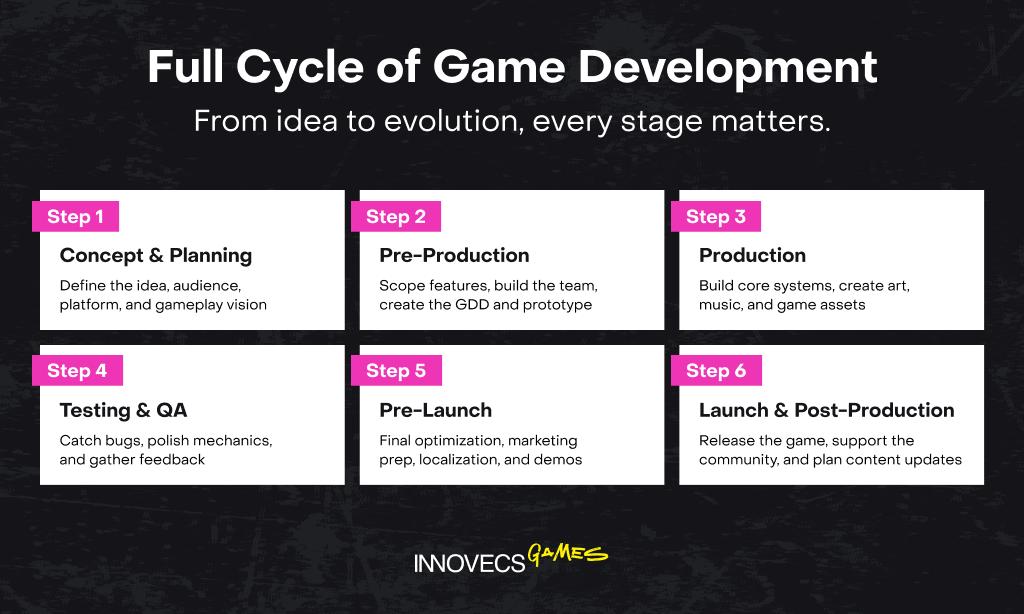
The first stage is usually about defining the product's identity. Developers decide what kind of experience they want to create, who it is for, and what will make people want to return.
A strong concept doesn't necessarily need to be complicated. Sometimes one interesting feature can become the foundation for an entire digital product.
From there, developers create early prototypes. These initial versions allow teams to experiment with functionality before investing heavily in visual design, animations, and additional content.
This is where many important decisions happen: What feels intuitive? What doesn't work? What should change?
More Than Just Code
Programming is only one part of digital product development.
Designers create interfaces, visual elements, animations, and interactive components. Product specialists shape functionality, navigation, and user journeys.
Writers develop content and messaging, while sound designers and creative specialists contribute to the overall atmosphere.
All of these elements need to work together.
A beautifully designed interface means little if the navigation feels frustrating. A great concept can lose its impact if the user experience is poor. A sophisticated feature can fail if people don't understand how to use it.
Digital product development is therefore a constant process of balancing different creative and technical elements.
Understanding the User Experience
One of the most important parts of creating a digital product is understanding how people interact with it.
Every user approaches a platform differently. Something that seems obvious to a developer may be confusing to a new visitor, while a feature the team considers minor might become a favorite part of the experience.
That is why usability testing is so valuable.
Developers can observe how people actually use the product, collect feedback, identify problems, and make changes. The product gradually evolves through this process.

Building for the Long Term
For many modern digital products, development doesn't stop when the platform launches.
Online services and interactive platforms can continue receiving new features, content, updates, and improvements. Development teams monitor user feedback and product performance to understand what should be changed or expanded.
This creates an ongoing relationship between the development team and its community.
The product becomes more than a finished solution — it becomes a constantly evolving experience.
Final Thoughts
Creating a digital product is a combination of ideas, experimentation, technology, and collaboration.
There is rarely a perfectly straight path from the first concept to the final release. Products change as developers test functionality, users provide feedback, and new ideas emerge.
Behind every successful digital product is a long process of turning an abstract idea into something people can use, experience, and remember.