

Affiliate Marketing: From Referral Links to a Performance- Driven Growth Channel
Affiliate marketing has become an important part of the modern digital marketing ecosystem. Instead of relying only on traditional advertising, brands can collaborate with creators, publishers, online communities, and specialized websites that promote products or services through trackable links, promotional codes, or referral systems.
The model is simple: a partner introduces an audience to a product or service, and the partner receives a commission when a defined action — such as a purchase, registration, subscription, or other conversion — takes place.
For digital brands, this model is particularly relevant because audiences increasingly discover new products, services, and online platforms through creators and communities they follow. Affiliate marketing turns that existing attention into a measurable acquisition channel.

How Affiliate Marketing Works
An affiliate campaign usually connects three main sides: the brand, the affiliate, and the audience.
Content creators can integrate affiliate links or promotional codes naturally into YouTube videos, TikTok content, blogs, online communities, newsletters, or social media posts. When followers use those links or codes, the brand can attribute the resulting activity to the individual partner.
Affiliate programs can therefore support different objectives:
- Driving product purchases and downloads
- Generating registrations or subscriptions
- Promoting digital products and services
- Increasing online sales Supporting new product launches
- Promoting special offers and seasonal campaigns
- Building long-term creator partnerships
The key difference from traditional advertising is the performance- based structure. Instead of paying only for exposure, brands can connect partner activity to measurable outcomes.
The Rise of Creator Affiliate Programs
Affiliate marketing is increasingly moving beyond traditional coupon websites and comparison platforms. Content creators are becoming an important part of affiliate programs because they already have established relationships with their audiences.
Research from impact.com found that 59% of brands planned to allocate at least 25% of their affiliate budgets to creator partnerships, highlighting the growing overlap between affiliate marketing and the creator economy.
For digital brands, this creates an opportunity to combine the authenticity of creator content with the measurable structure of performance marketing.
A content creator can recommend a product during a live broadcast, a YouTube publisher can include a purchase link in a video description, or an online community can share a dedicated referral code. Each interaction can be tracked and optimized.
Brands Are Already
Using Performance-
Based Partnerships
Different industries already provide
examples of companies using
partner and affiliate-style models
to support customer acquisition.
Companies can launch affiliate
programs through third-party
networks and later adopt
technology designed to give them
greater control over partner
marketing, data, and optimization.
These systems help businesses
evaluate campaign performance,
identify successful partnerships,
and improve their marketing
strategies.
Marketing campaigns can also
combine creator partnerships with
performance objectives. For
example, a brand can recruit
YouTube creators into an incentive-
based partnership program,
demonstrating how creators can
become part of a structured
acquisition strategy rather than
simply receiving one-off
sponsorships.
From Influencer
Marketing to
Affiliate
Partnerships
Traditional influencer campaigns
often focus on reach, impressions,
views, and engagement.
Affiliate marketing adds another
layer: what happens after someone
sees the content?
A successful creator partnership
can therefore move through
several stages:
Content → Click → Landing
Page → Conversion → Revenue
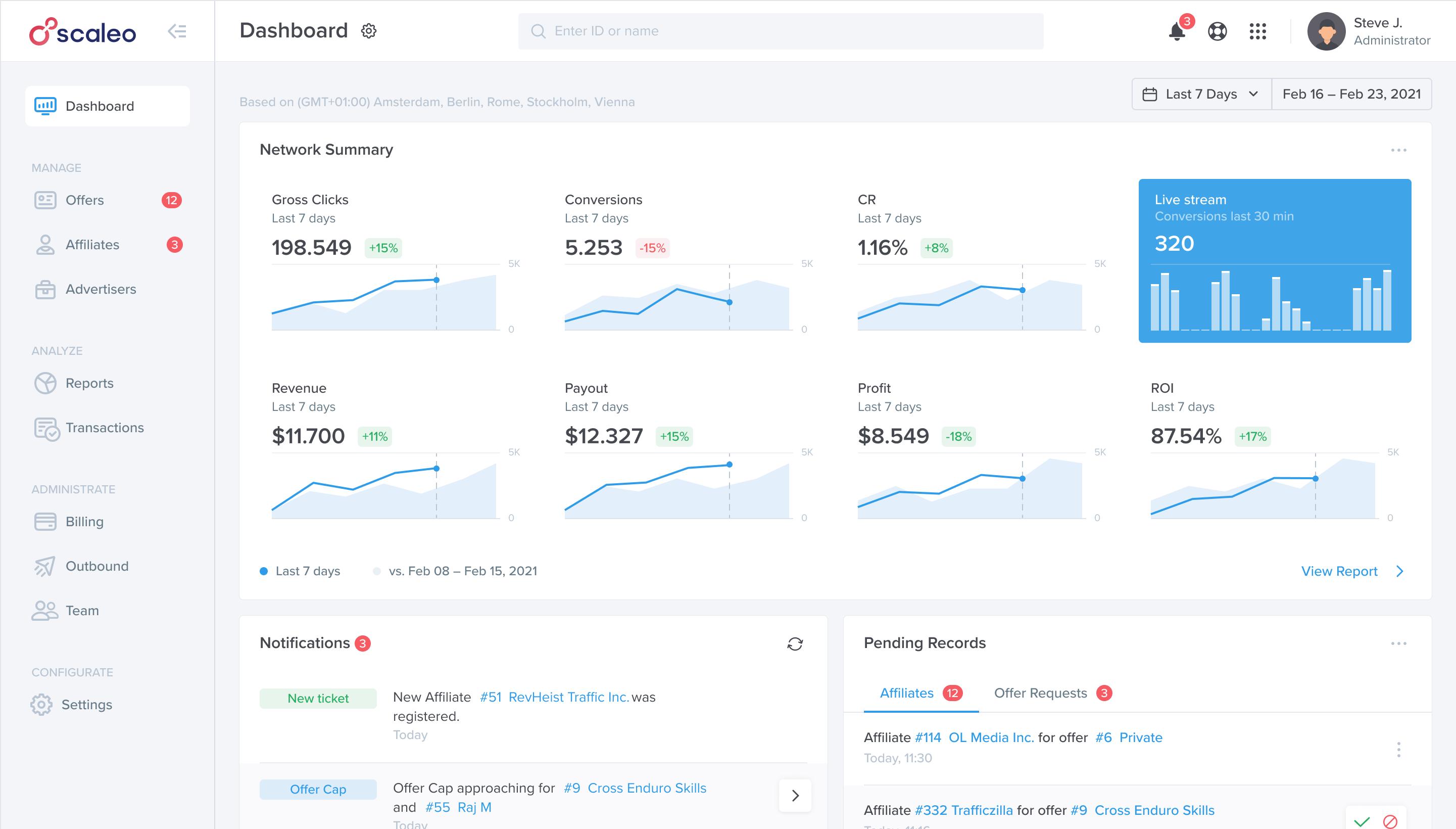
This makes it possible to identify
which creators, platforms,
audiences, and types of content
generate actual business results.
Brands can use this information to
understand:
-
Which creators generate the
most conversions
-
Which platforms produce the
highest-quality traffic
-
Which content formats
perform best
-
Which audiences are most
likely to convert
-
Which offers motivate
customers to take action
The result is a more measurable
approach to creator marketing.
Different industries already provide examples of companies using partner and affiliate-style models to support customer acquisition.
Companies can launch affiliate programs through third-party networks and later adopt technology designed to give them greater control over partner marketing, data, and optimization. These systems help businesses evaluate campaign performance, identify successful partnerships, and improve their marketing strategies.
Marketing campaigns can also combine creator partnerships with performance objectives. For example, a brand can recruit YouTube creators into an incentive- based partnership program, demonstrating how creators can become part of a structured acquisition strategy rather than simply receiving one-off sponsorships.
From Influencer Marketing to Affiliate Partnerships
Traditional influencer campaigns often focus on reach, impressions, views, and engagement.
Affiliate marketing adds another layer: what happens after someone sees the content?
A successful creator partnership can therefore move through several stages: Content → Click → Landing Page → Conversion → Revenue
This makes it possible to identify which creators, platforms, audiences, and types of content generate actual business results.
Brands can use this information to understand:
- Which creators generate the most conversions
- Which platforms produce the highest-quality traffic
- Which content formats perform best
- Which audiences are most likely to convert
- Which offers motivate customers to take action
The result is a more measurable approach to creator marketing.
Affiliate Marketing Meets Online Communities
One of the biggest opportunities lies in combining affiliate marketing with online communities.
Communities on Discord, Reddit, YouTube, Twitch, and social platforms already exchange recommendations about products, services, technology, and digital experiences. Affiliate programs can give community leaders and creators a structured way to monetize these recommendations while allowing brands to track the resulting activity.
The most effective approach is not simply adding links everywhere. The offer needs to feel relevant to the community.
For example:
- A technology creator can recommend equipment they actually use.
- A YouTube publisher can introduce a new product through informative content.
- An online community can share launch-related offers.
- A content creator can provide a personalized referral code.
- A specialized website can publish guides, reviews, or comparison content containing tracked links.
The common element is relevance and trust.
The Importance of Authenticity
Affiliate marketing works best when the recommendation fits naturally into the creator's existing content.
Successful partnership programs often emphasize authentic promotion rather than forcing affiliates to meet unrealistic sales quotas. Different structures can also be created for standard affiliates, content creators, and professional marketing partners.
This approach is particularly relevant to online audiences. People are accustomed to creator recommendations, but they can also recognize when content feels overly scripted or disconnected from the creator's usual style.
Giving creators freedom to communicate products in their own voice can make affiliate content feel more like a genuine recommendation and less like traditional advertising.
For example, a technology creator can recommend equipment they actually use, while a content publisher can share products that genuinely fit their audience's interests.
The common element is relevance and trust.
Affiliate Marketing for Product Launches
Affiliate partnerships can also become part of a product launch strategy.
Before launch, selected creators can receive early access, promotional materials, or unique referral links. During launch, their content can generate traffic and conversions, while performance data can help the marketing team identify the strongest partners.
The process can include:
- Recruiting relevant content creators
- Providing unique links or promotional codes
- Preparing creator guidelines and marketing materials
- Coordinating launch dates Tracking clicks and conversions
- Optimizing commissions and incentives
- Scaling the highest- performing partnerships
This makes affiliate marketing particularly useful as part of a broader product launch and community development strategy rather than as an isolated channel.
Why Brands Should Pay Attention
Affiliate marketing offers several advantages for companies:
- Performance-based: Spending can be connected to measurable actions.
- Scalable: Successful partners can be expanded without rebuilding the entire campaign.
- Creator-driven: Brands can access established audiences through trusted creators.
- Trackable: Unique links and codes make attribution easier.
- Flexible: Programs can work with creators, publishers, communities, and websites.
- Long-term: Successful affiliates can become ongoing brand partners.
The growing connection between affiliate marketing and creator partnerships is also changing how brands approach performance marketing. Companies are increasingly exploring ways to allocate affiliate budgets toward creators and experiment with different attribution models.
Final Thoughts
Affiliate marketing is evolving from a simple referral model into a broader creator and partner growth strategy.
For modern brands, its value comes from combining three things: community trust, creator influence, and measurable performance.
Whether the goal is launching a new product, increasing sales, driving registrations, promoting digital services, or expanding into new audiences, affiliate partnerships can create an additional layer between content and conversion.
The strongest programs are not built around links alone. They are built around the right partners, relevant audiences, authentic content, transparent tracking, and incentives that create value for both the brand and the community.
As digital marketing continues to become increasingly creator- driven, affiliate marketing has the potential to become an important bridge between content, communities, and measurable business growth.